
Choosing the right shower door is a crucial decision in bathroom design, affecting both functionality and aesthetics. A wrong choice can lead to inconvenience, recurring maintenance issues, or even compromise bathroom space and comfort. This article aims to guide you through the common mistakes to avoid when selecting a shower door to ensure you make an informed and suitable choice for your home.
1. Ignoring Bathroom Layout and Space
1.1 Understanding Your Bathroom's Design
The design of your bathroom is fundamental in choosing the proper shower door. Ignoring the existing layout can result in a door that feels out of place or awkward. It's essential to consider architectural elements such as window placement, plumbing pathways, and structural features when assessing where and how a shower door should be installed. A well-integrated shower door not only fits its surroundings seamlessly but also enhances the overall aesthetic of the space. The bathroom's design acts as a blueprint guiding the selection process to ensure harmony and functionality.
1.2 Assessing Available Space
Bathroom space is often limited, making it imperative to accurately measure available dimensions before making a decision. Overlooking the spatial constraints can lead to installation friction or door dysfunction, greatly impacting daily use. Precise measurement ensures that the door selected doesn’t overwhelm the space or obstruct key bathroom fixtures. This approach is critical in avoiding costly modifications or returns. A well-measured space allows for a door style that accommodates both convenience and design.
1.3 Considering Door Swing and Clearance
Door swing and clearance are essential aspects often overlooked but crucial for efficient bathroom functionality. It’s important to recognize that different doors have different operational requirements, influencing other elements like cabinetry and toilet space. Planning for proper swing and clearance ensures that the door operates smoothly without interfering with other bathroom uses. Consider a hinged door, which requires ample clearance, versus a sliding door that economizes space. This consideration can prevent frustration in day-to-day use.
1.4 Floor Space Utilization
Accurate utilization of floor space is another vital component when selecting a shower door. Effective floor space use can enhance the bathroom's overall functionality and flow. Incorrectly placed doors can disrupt movement and cause logistical congestion. Optimizing floor space includes cleverly integrating the door into the existing layout without compromising essential bathroom functions. This ensures not only usability and comfort but also aesthetic appeal in your bathroom.
1.5 Visualizing the Finished Look
Visualizing the end result allows for a mindful approach to door selection. Creating a mental image of how the completed project will appear helps in aligning the shower door with style preferences. Such visualization tends to expose limitations or areas for improvement pre-purchase. This forward-thinking helps prevent regret associated with impulse buying. Ultimately, it aligns decision-making with desired outcomes, resulting in a bathroom that harmonizes functionality and design.
2. Overlooking the Material and Quality of the Door
2.1 Glass Type: Tempered vs. Laminated
The choice between tempered or laminated glass affects safety, durability, and cost. Tempered glass is renowned for its strength and shatter resistance, while laminated glass offers soundproofing and holds together when broken. Selection hinges on the specific needs and preferences of the user, with considerations of safety and environmental conditions playing key roles. The average cost of glass shower doors varies significantly, typically $959 but ranging from $530 to $1,390, influenced by factors like glass type. Making an informed choice requires balancing budgetary constraints against material benefits.
2.2 Frame Material: Aluminum, Stainless Steel, or Plastic
The frame material dictates the door's longevity, maintenance, and aesthetic contribution to the bathroom. Aluminum and stainless steel frames are popular for their durability and moisture resistance, while plastic is lighter and often cheaper but less resilient. Opting for the wrong material can result in frequent repairs and diminished appearance, undermining the bathroom's quality. Therefore, it is essential to evaluate the pros and cons of each material, considering factors like environmental exposure and cleaning routines. Ultimately, selecting the right frame ensures a reliable, long-lasting, and attractive shower door.
2.3 Durability and Maintenance
Durability and maintenance are key considerations affecting both short-term satisfaction and long-term investment. A durable shower door typically requires less frequent replacement and minimal maintenance, offering continual functional and aesthetic value. Regular maintenance routines, adjusted for the specific materials involved, extend the door's life and optimize performance. Overlooking durability can lead to unnecessary expenditures on repairs or replacements, diminishing bathroom enjoyment. Sufficient research and understanding of maintenance needs help in prolonging the investment's returns and enjoying a hassle-free shower door experience.
2.4 Impact on Aesthetics
The material and quality of a shower door play significant roles in shaping the bathroom's aesthetic appeal. A beautiful, high-quality door complements existing design elements and can elevate the entire room's ambiance. Poor quality or misplaced styles create a disjointed appearance, diminishing the room's visual harmony. Therefore, an informed decision concerning material and finish contributes to an overall cohesive look, enhancing design appeal. Observing correct aesthetic alignment not only boosts personal satisfaction but may also improve property value.
2.5 Environmental Considerations
Environmental considerations are increasingly important in modern design decisions, including the choice of shower doors. Awareness of material sourcing, manufacturing processes, and energy efficiency offers avenues to reduce carbon footprints. Choosing eco-friendly materials assists in promoting sustainability without sacrificing quality or style. Recognizing the broader impact of consumer choices encourages more responsible decision-making, adding intrinsic value beyond immediate aesthetics. In the long run, environmentally conscious choices can bring personal satisfaction in contributing to ecological well-being.
3. Disregarding Shower Door Type
3.1 Framed vs Frameless Shower Doors
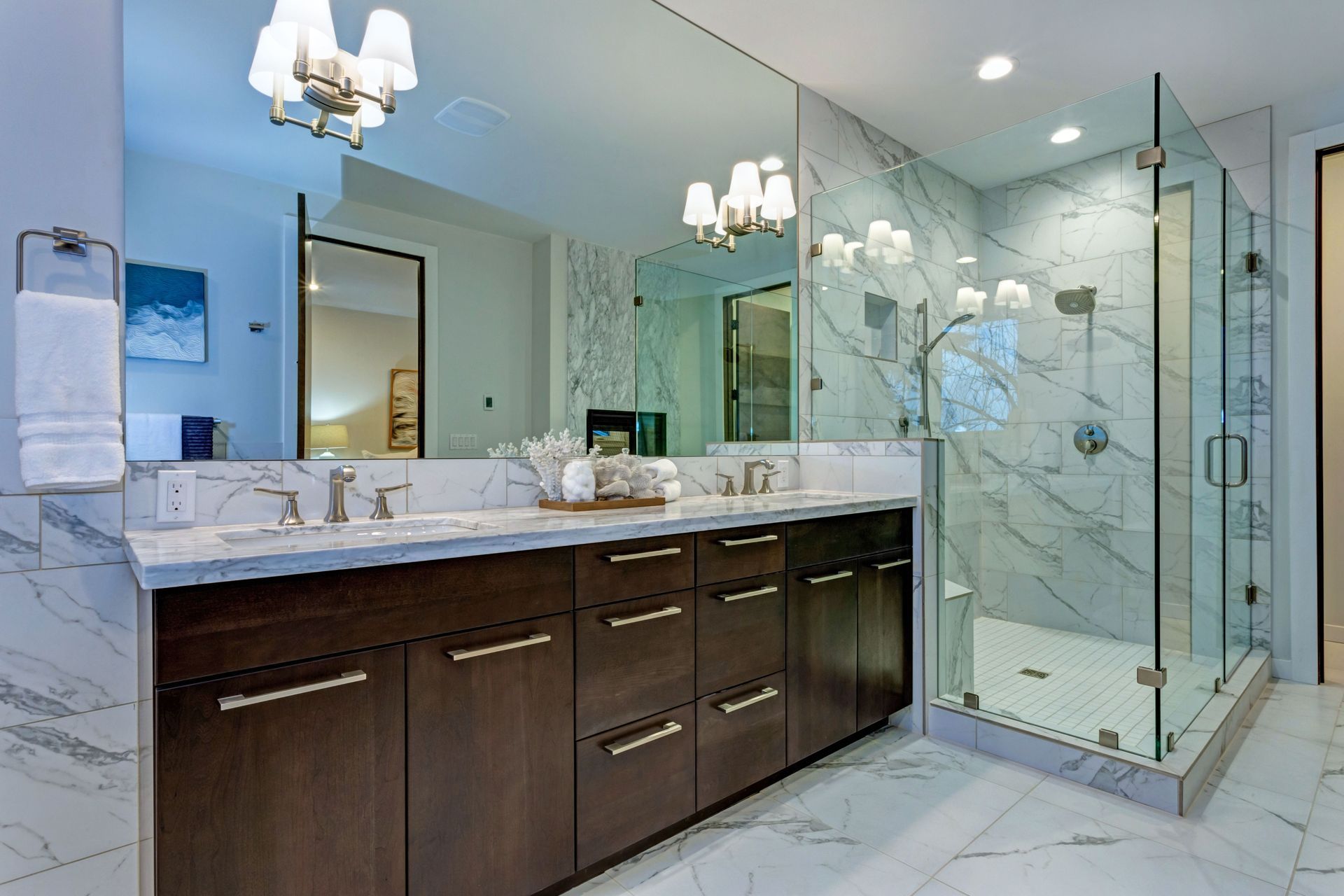
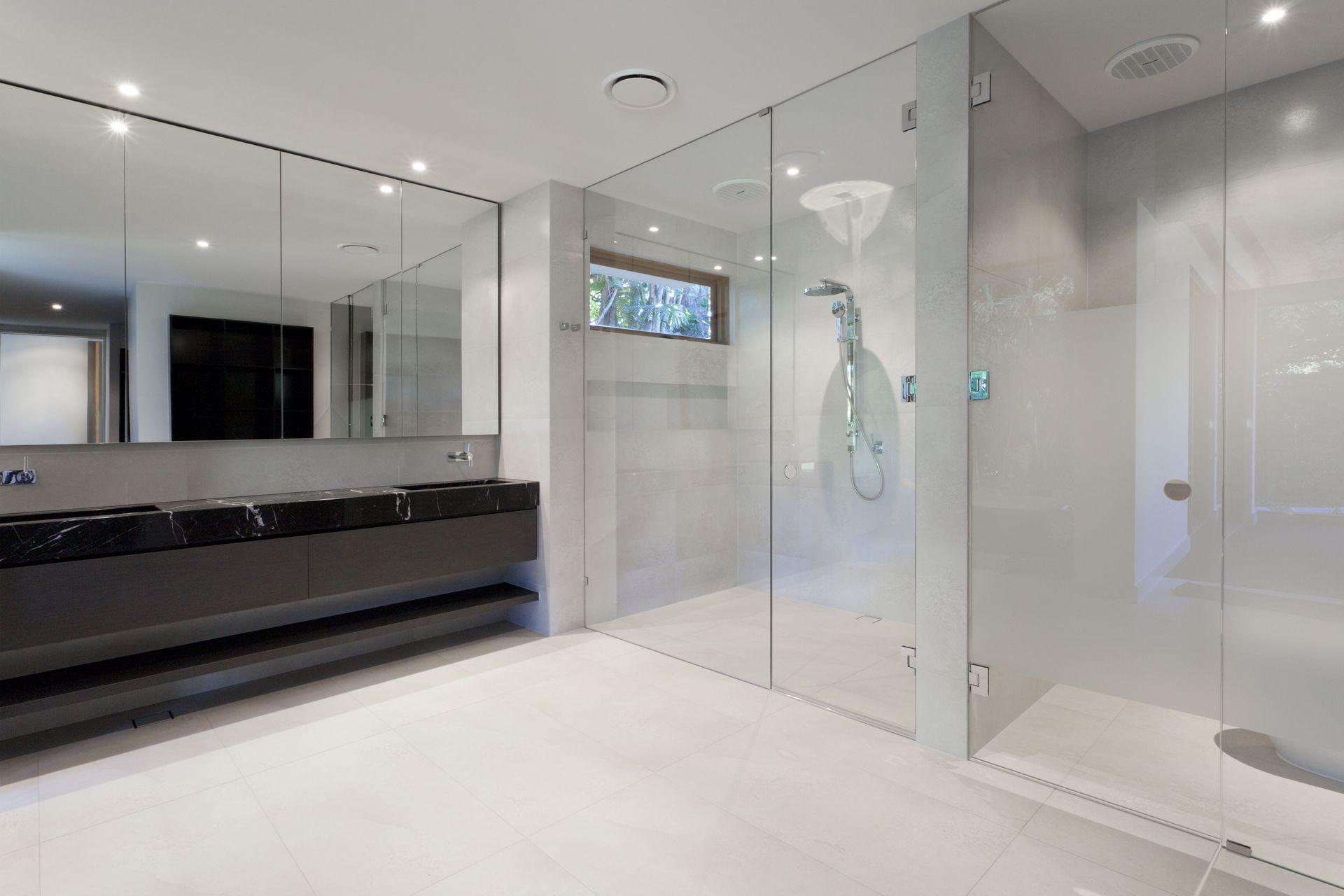
Framed shower doors incorporate a metal or composite frame surrounding the glass panel, offering added support and typically reduced cost. In contrast, frameless doors prioritize style with minimal metal, delivering a sleek, modern appearance. This preference comes down to functional demands versus stylistic desires, where framed doors can be more budget-friendly, and frameless options offer luxury appeal at a slightly higher price point. Both choices carry unique maintenance requirements reflecting the structural variations. Selecting between framed or frameless requires prospective owners to weigh aesthetics against budget and upkeep.
3.2 Sliding Doors vs Hinged Doors
Sliding and hinged doors offer distinct operational advantages based on bathroom configurations and user needs. Sliding doors are ideal for maximizing space in smaller bathrooms, avoiding the need for swing clearance. Hinged doors, however, offer broader openings, often considered more traditional and potentially luxurious. The choice between them should be informed by space availability and personal comfort, considering that sliding doors typically require less maintenance due to fewer moving parts. The decision should optimize both function and space, contributing to an optimal daily shower experience.
3.3 Bifold and Pivot Door Options
Bifold shower doors fold in on themselves, creating large, accessible openings, suitable for compact spaces needing versatility. Pivot doors, on the other hand, revolve around a center axis, providing both style and ease of use in spacious surroundings. The choice presents unique opportunities to integrate functionality with innovative designs, adapting to the available space and personal preferences. According to HomeAdvisor, glass shower doors cost an average of $959, typically ranging from $530 to $1,390 depending on the door size, glass type, customization, and hardware. Incorrectly chosen doors can lead to mismatched functionality, limiting user satisfaction. Evaluating the pros and cons of bifold and pivot options ensures matching the door’s attributes with both space constraints and user requirements.
When choosing the ideal shower door, a multitude of considerations shape the optimal decision, ensuring long-term satisfaction and improved functionality. By avoiding common mistakes outlined above, such as ignoring layout, material neglect, and overlooking installation demands, you protect both your finances and design goals. Recognizing these factors enables deeper insight and investment confidence, enhancing overall bathroom experiences. With a measured approach, your selection will naturally integrate within existing spaces and meet rising demands for efficient use and adaptability. Carefully evaluating these aspects places you in a superior position to derive exceptional results from your shower door investment. Be sure to reach out to Splash Works Bath and Kitchen today for more information on our professional new shower doors!

Share On: